
Don’t assume anything – ” But I thought ( fill in blank) was going to ( fill in blank).”
Keep an email trail – document everything between you and your client.
Keep a binder – it’s always good to keep a hard copy back up even if everything is recorded electronically.
What to look for on location:
• where the outlets are
• where the windows are and which direction they face
• do the windows have blinds or shades
• what is the ambient lighting in the room
• what kinds of ambient noise is in the location and can it be controlled
• what’s the best-spot for an interview
• where are the bathrooms
• where is the freight elevator
• where is parking
• what is the building contact person’s name and number
When packing for location – don’t leave things behind unless you absolutely have to. It is far better to have it and not need it, than need it and not have it.
Be redundant – bring extra connectors, adapters and cables. If you only bring one – it almost guarantees that one will fail.
Make friends with doormen, secretaries, building electricians, janitors, security guards – you will need these people on locations.
Whenever the call time is – be there early. I’m always the first one on set.
If you don’t schedule a rain day, you will end up needing one.
Always shoot the most important shot first thing of the day.
Maintain an attitude of calm and professionalism – the crew will look to you for the answers. If you show indecisiveness they will go off in all different directions.
Never label a video file or tape “Final” – Whenever you do – there always ends up being another revision.
Always break for lunch – working through lunch guarantees a hungry and cranky crew. Ultimately you won’t get 100% from a hungry crew, thus defeating the time saved.
Slate everything you can. Use the back of the slate for a white balance target. Also attach a printed color bar chart to the slate. This can be helpful in color correction later, matching scenes and/or cameras.
Tape/storage media is cheap. Don’t be afraid to overshoot. That extra b-roll or cut-aways will become valuable assets in post. Get room tone at the same time.
During the mic check for interviews, record a brief statement where each subject states their name, the date and that they are giving permission to be taped. Always make sure your subjects also sign hard copy waivers/releases.
Things always take longer than you think – so estimate more time when scheduling.
In post production back up projects as different versions. Save a clean sub master version without titles and lower-third graphics and where the audio tracks are not mixed down. Most likely you will get a request to change a graphic or a music track and it’s much easier to make those changes on a sub master than to have to redo an entire project.
When a client suddenly takes the project in an unexpected direction, save a version of the project file up to that point.
When editing with a room full of client people – only answer to the guy/gal who signs the checks.






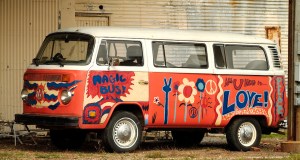 I have found that when unexpected and random events happen in my life and I take notice and then question why – I’m ready for my next chapter.
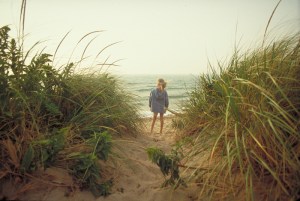 And it reminded me of when she was in her sophomore year of college and headed to Santiago, Chile to study for 6 months. I sensed she was anxious and afraid of the unknown – a perfectly natural response, and she was holding it inside. I asked her if she was afraid and she hesitated a bit, perhaps not wanting to show me her vulnerable side and she finally replied – yes, a little. I told her that just about everything I’ve ever done that’s been most rewarding in my life – were the things that I was most afraid of doing.
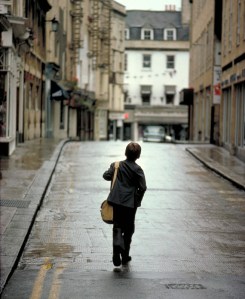 My plan was to move back East, and pursue my dream of becoming a photojournalist. That was where my heart was – “telling the story” through my images and I wanted to share those images through the pages of magazines. But even back then photo essays and the magazines that printed them were threatened by a bad economy and changing times. Look had just folded and Life was seeing its demise – the first time around.
 Journeys of a Hybrid