
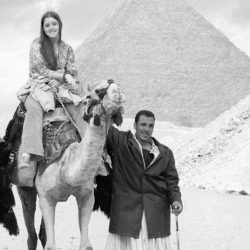
This time of year we all try to spend more time with our families and loved ones. It’s also a time when we reflect on the people who are no longer with us. For the most part we rely on our memories and some scattered photographs or home movies.
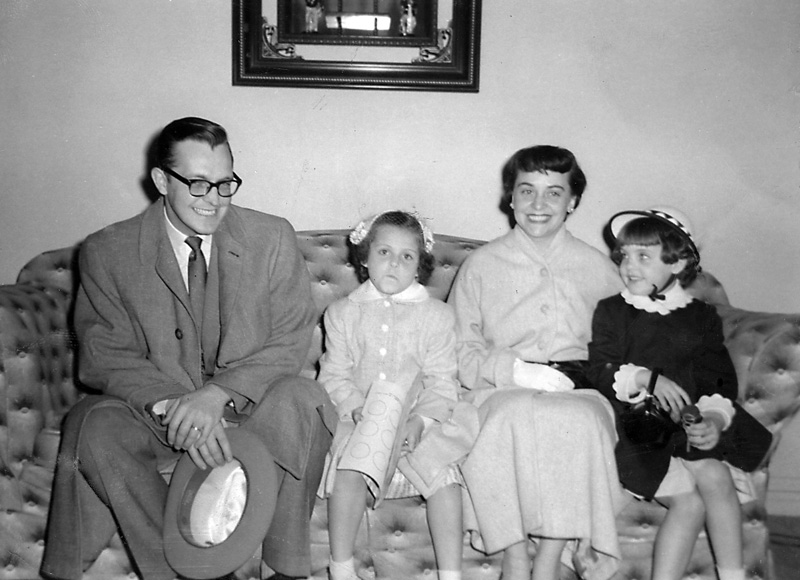
Some of the fondest memories I have of my mother, father and grandparents are of us sitting around the dinner table, long after the meal was over and listening to the family stories. Of course each person would tell the same story in an entirely different way – the way they remembered it.
Every family has stories – mine certainly does and I have started to collect information, photographs and even recordings of family members while they are still around to tell them. It’s such an easy thing to do with all the tools that technology has provided in the way of cameras and audio recorders.
I often think that as photographers and filmmakers we are not only the keepers of our own family stories but we are documenting the stories for other families through our images, recordings and videos. Here’s a recording of my Uncle Dorlen talking about fishing in Northern Michigan in the winter.
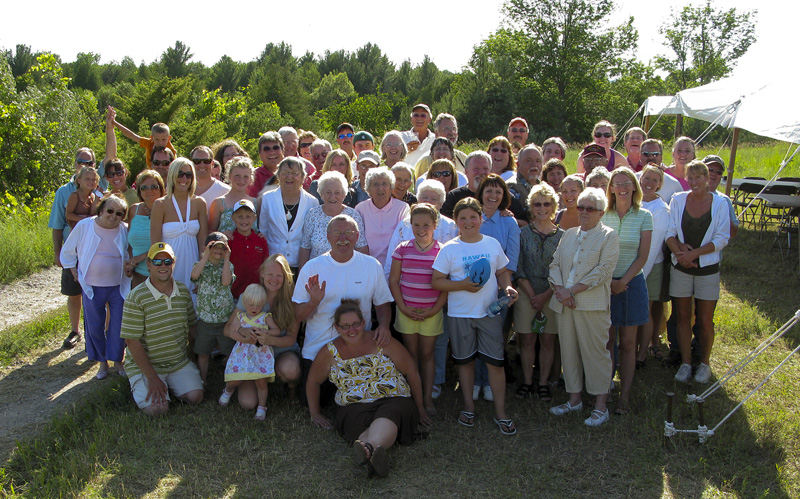
Essentially, we are creating an archive of our loved ones and the memories. And that is the most precious gift that I can give someone through the talents of my craft.
I was recently looking at someone’s vacation snapshots and it occurred to me just how precious those images are, certainly for the people in them and the people they know. I have always taken the family snapshots and have recently started video recording my relatives telling their stories through their own voices, preserving them for future generations.
So think about that – even if you just take out your iPhone or Flip this holiday season, start capturing life’s moments. You’ll be glad you did.


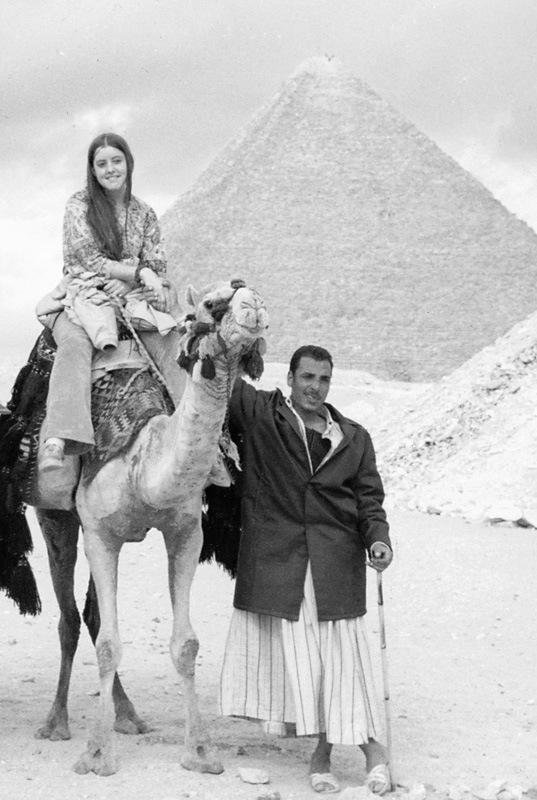


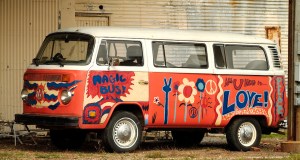 I have found that when unexpected and random events happen in my life and I take notice and then question why – I’m ready for my next chapter.


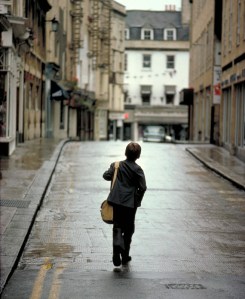 My plan was to move back East, and pursue my dream of becoming a photojournalist. That was where my heart was – “telling the story” through my images and I wanted to share those images through the pages of magazines. But even back then photo essays and the magazines that printed them were threatened by a bad economy and changing times. Look had just folded and Life was seeing its demise – the first time around.
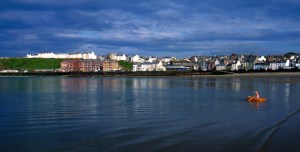 And then about 10 years ago I had an assignment for Islands Magazine to cover the
 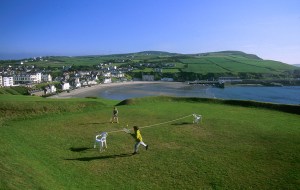 an island where time seems to have stopped.
 patchwork of every shade of green you can imagine, stretching from the barren upland’s to the blue of the sea. The sea was always present.
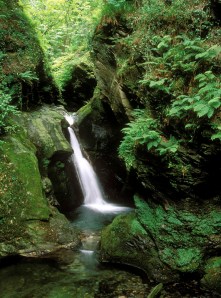 waterfalls and I thought that fairies must surely live there, somewhere beneath the ferns. The island was enchanting on every level. One day I came upon a crowd of people in a field. I asked someone what was going on and they replied that it was a turnip weeding contest. How wonderful I thought, a contest to weed a field. I spent the morning caught up in the event, taking a few images, but mostly just talking with people
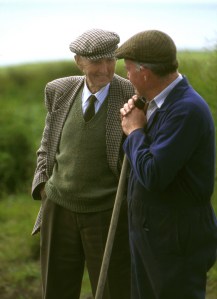 and storing those conversations in my head.
 – us Americans, our culture at that time in our history. He was an observer of “all” people not just the beautiful ones captured on the pages of Harper’s Bazaar, and he captured those observations for generations to come.
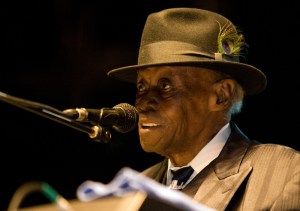 Pinetop Perkins is a legendary boogie woogie piano player in the blues world. He’s 96 years old and still going strong. He is living proof of a man who is “living his passion. I’ve become friends with Pinetop’s manager over the years and yesterday we got together over lunch to catch up on what was going on in our lives. I hadn’t been to the Delta for a few years and she was giving me the latest news on some of the musicians that I had interviewed for my film. Four have since died – Little Milton, Robert Lockwood Jr., Ike Turner and most recently Sam Carr.
 in the process. We aren’t placing the value on what is unique in all of us – our vision. At the same time we’re placing too much value on the tool – in this case the camera. As technology accelerates the production of more sophisticated cameras that are cheaper and easier to use – and we’ve placed our value on being the technician – we’re in big trouble. Because ultimately anyone with a vision who has the “ability” to realize that vision, can put together a crew of technicians to facilitate their vision or idea – and do it cheaper these days because of technology. And there’s nothing wrong with that.
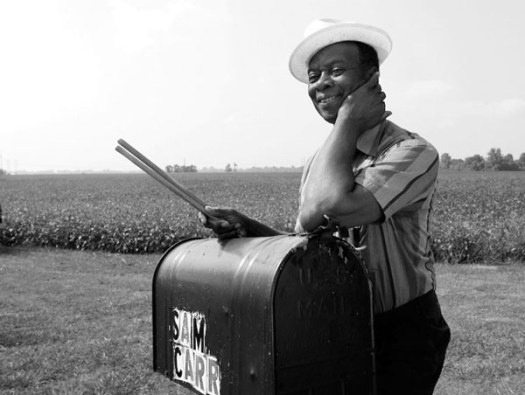 project that had I tried to get funding for but then 9/11 happened and money dried up over night. But for me this was a story that I needed to tell and now because these musicians were in their 70’s and 80’s. I wanted to tell the story of these musicians apart from their music. I was interested in their cultural stories – about the area they grew up in. the Delta and how that gave birth to their music – the blues.
 Journeys of a Hybrid