The Power of Yes

I’ve just experienced one of the most extraordinary weekends of my life – all because I said yes.  Barely more than a week ago, I sent an email with a link to the trailer of my documentary to Rebecca Self,
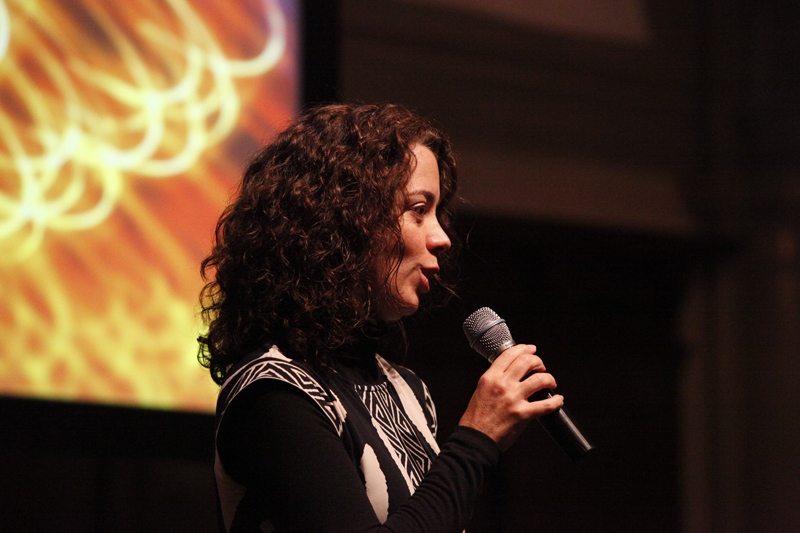
Rebecca Self at the European Summit for Global Transformation

who I was introduced to by two of the subjects in my film, Letha Sandison and Maggie Doyne.
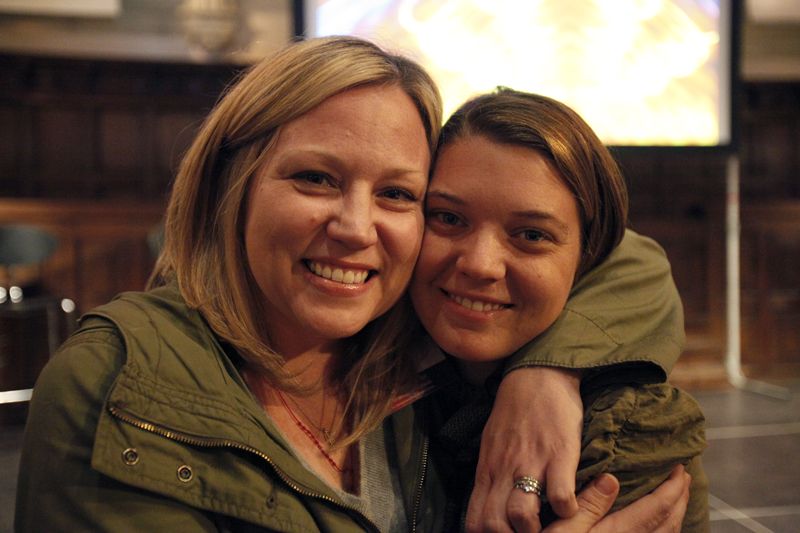
Letha Sandison and Maggie Doyne

Rebecca is an amazing woman – she’s a connector of change makers.  The day after Rebecca got my email, she replied “Would you consider coming to Amsterdam this weekend and showing your trailer at The European Summit for Global Transformation.  My first thought was “wow” – and with a title like that, it was bound to be a gathering of very interesting people.  My next thought was, “it’s not possible – there’s not enough time – the airfare will be high” etc. etc.  All very practical thoughts – right?

And then I flipped it and told myself all the reasons I should say yes. I ‘d have the opportunity to show a culturally diverse audience a sample of my film and talk about the idea behind it. I would get to see Letha and Maggie again because they were going to be speaking.  And most importantly, I would be spending the weekend with people that not only believed that anything is possible – but are making the impossible happen, together. So I replied to Rebecca and said YES.

For two days I listened, as all kinds of people told their stories – people who are actively doing things that are making our world a better place. They awed me with their courage, their commitment and their passion.  But the most empowering part of the conference was connecting with these people, who were not only there to talk about what they were doing, but also to network with others to help them make their commitments a reality.

As I write this, on my last night in Amsterdam. I’m ready to head out to have one final dinner with some of the most fascinating  people I have ever met.  It has been a powerful weekend, being part of this group of people, from all over the world that are making extraordinary things happen.  This is what my film is all about – the power of the individual, working together to make things happen – across the globe.

To be able to show my ten-minute trailer to these amazing change makers was an honor and reward in itself.  But to spend the weekend with such a unique group of people who believe that anything is possible, was extraordinary and fortified me as I go forward in editing over 150 hours of footage.

I have a friend who is always telling me that I need to say “no” more often – because I tend to spread myself too thin.  But this time, I was glad I said “yes”.

Add to FacebookAdd to DiggAdd to Del.icio.usAdd to StumbleuponAdd to RedditAdd to BlinklistAdd to TwitterAdd to TechnoratiAdd to Yahoo BuzzAdd to Newsvine

The Thin Line Between Work and Pleasure

I’ve always been lucky because there’s a very thin line between my work and my personal life. That’s because I’ve never looked at what I do for a living as work, or at least if one defines work in negative terms.

I became a photographer and later a filmmaker because I’m a born storyteller and the camera is a means to that end for me. I come from a long line of storytellers, as evidenced by boxes of old letters telling the tales of family long gone. While they may have told their tales by pen, through their words, I have chosen the camera as my tool to tell the stories that I have to tell. So how could I possibly equate the word work with the professional life that I’ve built – telling the stories of people and companies around the world? It’s in my blood.

Sure, there have been jobs through the years that seem a lot more like work than others, especially when a client hasn’t trusted their instincts in why they hired me by allowing me to trust mine. But there have been so many other jobs where I’ve had to pinch myself to believe that they’re real.

I’m also a firm believer in following my instincts and that has led to many rewarding opportunities in my life. I’ve been doing that a lot lately and the universe is opening up for me. I’ve stopped waiting for someone else to validate me in order for me to pursue a project that I’m passionate about. I’ve stopped telling myself all the reasons that I shouldn’t do something and I’ve replaced them with all the reasons that I should. I think about the pros and don’t dwell on the cons. And that’s because I’ve blurred the lines between work and pleasure.

I’ve just completed a 99-day journey shooting a documentary on change makers – people who were making a positive difference in the world. Over the weekend I got an email, inviting me to show my ten-minute tease at the opening of the European Summit For Global Transformation in Amsterdam, this weekend. I immediately started to discount it, telling myself that I didn’t have enough notice etc. etc. Then I saw it differently – I saw it as an incredible opportunity to not only show the tease of my film but to network with like minded people. So, this evening I’m headed to Amsterdam.

Years ago when I was traveling a lot, shooting for magazines like Travel & Leisure and National Geographic Traveler, as I departed for my trips, my mother always used to say – “have a nice vacation”. I used to get annoyed because I thought that she didn’t recognize the fact that I was working and not going on vacation. But, as I reflect back on the “work dynamic” that I’ve set up for myself, I think – maybe she was the one that had it right. It’s been one long pleasure trip.

Add to FacebookAdd to DiggAdd to Del.icio.usAdd to StumbleuponAdd to RedditAdd to BlinklistAdd to TwitterAdd to TechnoratiAdd to Yahoo BuzzAdd to Newsvine

Post-Production – Overcoming Inertia and Getting Started

I returned back to the United States a couple of days ago and before I even did my laundry, I sat down to edit a quick behind-the-scenes interview video clip of my daughter and I discussing the documentary we had just finished shooting, traveling around the world. I was motivated by a deadline where I needed to provide a video clip from the project, right away.

I was fortunate in that we had just shot interviews of each other talking about the making of the film, while the experiences were still fresh in our heads. So it was relatively easy for me to pull a couple of soundbites from the interviews, sync the audio which had been recorded separately and add relevant B-roll.  Within less than 24 hours after stepping off the plane, I had a 5 minute behind-the-scenes short.  Nothing fancy, mind you but in addition to providing an opportunity for the film to get awareness, it forced me to start thinking about the overall structure of the piece.

The hardest part of editing is getting started – figuring out how the story will be told. In my case, I’m facing the daunting task of looking through 3 months of material – interviews, B-roll, still images, and behind-the-scenes footage that I need to figure out how I will put it all together.  There are a dozen different directions where I could take this film in the editing process.  I could choose to make each subject’s story an independent video, with the full length documentary being comprised of them all.  Or I could weave the stories together – structuring the piece more thematically.  Or I could include the mother/daughter aspect in the film and add some interview footage of the two of us talking about the project.

Just in putting together this quick sample, I have forced my mind to start thinking about the next step – crafting the story. My next deadline is to make a trailer for this film that hasn’t even been edited yet. I will be speaking at the PhotoCineNews Expo in LA in a couple of weeks and I’m motivated by this opportunity to present the workings of this project to a live audience.

As it turns out, jumping right into it was the best thing to do.  I overcame the inertia that’s always present, and started focusing on how I was going to tell the story of not only our subjects but the experience itself.

Add to FacebookAdd to DiggAdd to Del.icio.usAdd to StumbleuponAdd to RedditAdd to BlinklistAdd to TwitterAdd to TechnoratiAdd to Yahoo BuzzAdd to Newsvine

10 Things I’ve Learned Circling the Globe

I came across an interesting blog yesterday “20 Things I’ve Learned From Traveling Around the World for Three Years”, by Gary Arndt. It was pretty much on target with my observations from my very short journey of a little more than 3 months. But it got me thinking about what I have learned on these travels.

Erin and Gail and children of village along Amazon River, Peru

To travel is to experience and learn and also an opportunity to show other people from other cultures what an American (U.S. citizen) really is, beyond the news, the music and Hollywood movies.

1. People are good – Like Gary, I’d have to agree that for the most part most human beings are good. Sure there are schemers, con artists and thieves in just about every culture, but for the most part – people are good.
2. Government policies don’t always reflect who the people are – U.S. citizens are not all warmongers and not every Afghani is a terrorist.
3. The media exaggerates – Because we all get our news these days in abbreviated and sensationalized TV content – it’s distorted. I almost changed my plans to go to Thailand because of the coverage of the political unrest, which in actuality was contained to only certain sections of Bangkok.
4. There aren’t just “ugly Americans” there are “ugly tourists” – people around the world seem to equate badly behaving tourists as “ugly Americans”. I have found bad behavior is not solely exclusive to “Americans” or U.S. citizens – I have witnessed really bad manners from all types of tour groups – French, German, British, Japanese, Argentinean – you name it. I think it is more of a reflection of a “group” dynamic than a cultural one.
5. U.S. citizens are misunderstood – I find this is more common in countries that are more “westernized” than countries where you would think more of a discord would be present. For example – I found the people in Egypt friendly, curious and informed, unlike other “westernized” countries where the attitude was more of one of disdain. In other words, the more “westernized” a country was there seemed to be more of a preconceived yet narrow minded and naïve attitude about what an “American” was.
6. Cultural naiveté – Guess what folks – when you join those tour groups and they take you to the “untouched villages” along the Amazon River or to the hill tribe villages in the mountains of northern Thailand – they’re probably bringing you to government sanctioned tribal villages where the people have made it a business of “dressing up” for you. Some locals that I met referred to these places as “human zoos”. It’s kind of like expecting to see everyone in the U.S. wearing cowboy attire – I mean outside of Texas and Montana that doesn’t really exist anymore.
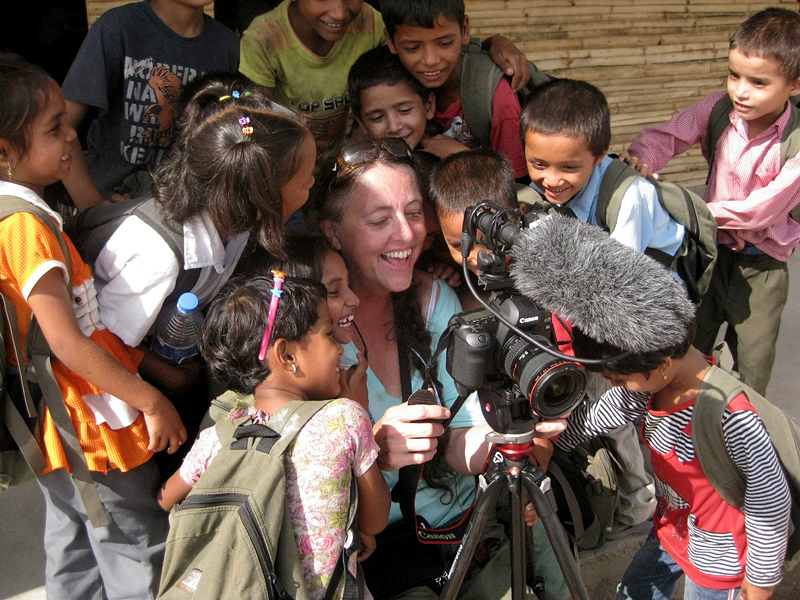
7. The Internet has changed the travel experience – you can pretty much get connected anywhere – anytime. My blackberry worked in some of the most remote places in the world. I could almost always get a cell signal – the irony was that I didn’t always have electricity to charge my battery. If you want to really get away – leave your laptop, iphones and blackberrys behind.
8. Go with the flow – don’t focus on what you miss from home whether that is a Starbucks coffee or a hamburger – discover the richness of the country you are in – the food – the music. As we become more and more connected with each other across the globe – we are beginning to lose our cultural differences.
9. I am a diplomat for my country – sure there are things that I don’t like about my country, the United States. But when I travel, I feel that this is my opportunity to interact with the people where I am visiting and to give them perhaps a more true picture of what an American is – beyond what the news and Hollywood portrays us as. That is if people give me a chance – if they haven’t closed their mind.
10. I am grateful that I can travel – and I think that everyone should travel – outside his or her country and culture. Don’t just visit the tourist sites but try to get out of the cities and interact with the people. The best thing about this journey is that our purpose was not to see the sights but to connect with the people. That made it meaningful and memorable.

Add to FacebookAdd to DiggAdd to Del.icio.usAdd to StumbleuponAdd to RedditAdd to BlinklistAdd to TwitterAdd to TechnoratiAdd to Yahoo BuzzAdd to Newsvine

Behind the Scenes DVD – or Not?

In a little more than a week, my 99-day journey trekking around the world with my daughter shooting a documentary, Opening Our Eyes will be over.  Or will it?  My work is really just beginning as I contemplate all we’ve done, people we’ve met and interviewed and how I will put this all together in an edited, finished film.

There are hundreds of ways I can edit this documentary and quite honestly, beginning the process and deciding the direction is always the most difficult.  But there will be a moment when the light bulb goes off and the vision will be clear as to how to make sense of it all.  Then it becomes easy as the story unfolds – as it should from my heart.  It’s the story that can only be told by me and this case, me and my daughter.

My daughter and others have urged me to do a behind-the-scenes DVD

Gail at the Kopila Valley Primary School, Surkhet, Nepal

– she tells me “that’s what people want”,  to know more about the making of the film – more about the people behind the film.  As much as I agree with her and understand this interest on the part of the viewer, there is also a resistance to make myself part of the documentary.  With that said, a separate “behind-the-scenes” chapter could be the solution – to provide more information, without inserting the two of us into the film itself.

One thought does keep popping into my head that motivates me to provide a commentary on the why’s and how’s of this journey and the making of this film. Too many times when I’ve visited museums, I’ve been taken aback by some of the things that I over hear docents talking about in relation to the paintings.  They analyze and interpret what the artist meant by his choice of color, brush stroke and placement of objects within the art and how that related to what was going on in his life at that point in time.  I often wonder how they know that or even how can they be so sure?  Is it documented or is it really just someone’s interpretation that has become fact over the years?

My daughter and I do plan to sit down this week and attempt to do on-camera interviews – while we are still in the moment and before we get back to our normal lives.  Here’s where we need your help – tell us what you want to know.  Maybe you’re curious about how we survived the dynamic of a mother/daughter team for three plus months.  Maybe you want to know why we did this – or how we funded it.  Or maybe the questions are even more basic – what did we like? – what was difficult?– any surprises? etc. etc.  Perhaps you want to know more about the craft of shooting the doc– and how I went about that.  And maybe you don’t really want to know anything at all and just want to know about the subjects of our film.

But please tell me what you’re curious about – as far as the behind-the-scenes making of this film.  All questions are welcome – from the seemingly obvious to the more provocative.

Add to FacebookAdd to DiggAdd to Del.icio.usAdd to StumbleuponAdd to RedditAdd to BlinklistAdd to TwitterAdd to TechnoratiAdd to Yahoo BuzzAdd to Newsvine

What Makes a Successful Photographer?

I woke up this morning before dawn, not able to sleep anymore and my mind spinning with random thoughts about where I’ve been and where I’m going. I’m in Iquitos, Peru right now, the last major outpost before the real jungle begins along the Amazon River.

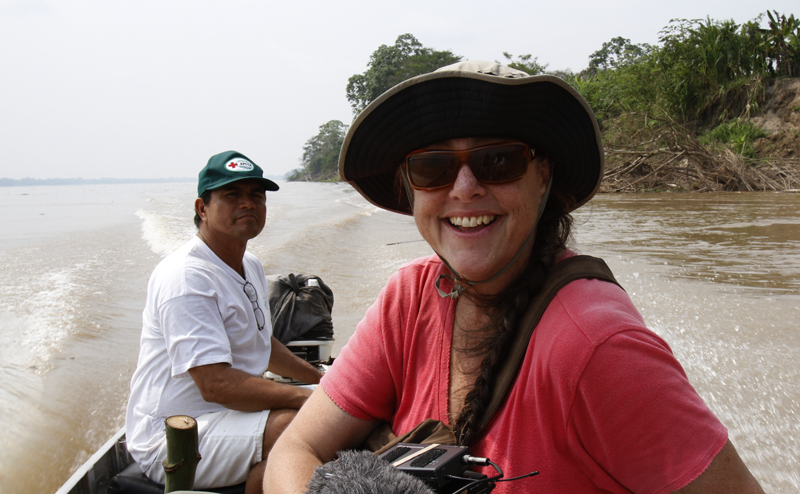
Gail on the Amazon River, Peru

I had just spent a week visiting the jungle villages along the river as part of my documentary, Opening Our Eyes.

As I lay in bed, I thought about a recent conversation I had with someone about what it means to be a success. This person had made a comment to me that I must be a very successful photographer. This is not the first time that someone has made that remark and it always takes me by surprise and makes me think about the meaning of that word “success”.

I think that in this lukewarm economy and with the incredible changes that have affected the profession of photography (and print), I would have to say that a successful photographer is one who doesn’t need another job to support themselves. That they are able to make a living shooting photographs (or video).
But how does one achieve that, if that defines success?

Personally, I think that with any creative and competitive field, you have to be passionate about it and have the desire to pursue it no matter what. In other words you have to want to pick up a camera and take photographs without someone paying you or “validating” you in some way to do it. If you think about it from a buyer’s standpoint – why would they want to hire someone who isn’t passionate about it? So shoot and shoot for yourself – always have a personal project you’re doing.

So the question – how do you find the passion or keep it begs to be asked. There isn’t one answer to this question because it’s different for each of us but for me I need to be involved with other things besides photography to keep my interest in photography alive. I need to get beyond the science of photography and even the art. I’m interested in music, cooking, sewing, film, looking at impressionist paintings, taking walks in the woods and even people watching in New York City. I do all of these things and more to recharge myself and keep my passion alive for what I’m doing.

Photography is a visual means of communication. If you don’t have anything to say because you’ve just consumed yourself with the technical aspects of photography, then how will you be able to deliver a visual message – whether it be for a magazine or an annual report or even an advertisement.

Lastly, photography is something that you have to “do” to get better at it. You can’t just read about it in a book – you have to shoot – practice – perform. That is why shooting for yourself is imperative. If it’s been two months since you’ve picked up a camera and you head out to shoot a job – you do a disservice to your client. I don’t care how long you’ve been in business.

Here is how others have defined success:

“Successful people are simply those with successful habits”
Brian Tracy

“Your net worth to the world is usually determined by what remains after your bad habits are subtracted from your good ones”
Benjamin Franklin

“Practice means to perform over and over again in the face of all obstacles, some act of vision, of faith, of desire. Practice is a means of inviting the perfection desired.”
Martha Graham

So, am I a successful photographer? Perhaps – but there are photographers way more successful than me. But I am determined and I definitely have the desire and there is always something that I still want to achieve.

Add to FacebookAdd to DiggAdd to Del.icio.usAdd to StumbleuponAdd to RedditAdd to BlinklistAdd to TwitterAdd to TechnoratiAdd to Yahoo BuzzAdd to Newsvine

True Convergence With the DSLR Cameras

I read today that mega publishing company Conde Nast “names a new president as company seeks new business model”. http://adage.com/mediaworks/article?article_id=145071

“The historical priorities that have served our company so well — great content, best-in-class magazines, key client relationships – remain the cornerstone of what we do, but we need to move beyond the magazine,” said Mr. Townsend, who remains CEO, in the statement.”

Wow – so one of the biggest publishing companies is realizing that electronic delivery and the internet isn’t an afterthought or an add on to their print pubs.  That would have been unheard of just 2 years ago, but with the proliferation of mobile devices, including the iphone, ipad and other “i” devices, we really are seeing a shift in the way we communicate.

Photographers should definitely take notice of this and understand that they need to think differently themselves. Imagery and workflow that worked in the print world just isn’t going to fly in the world of “i” devices. You need to think and see differently when creating for electronic devices that are capable of showcasing still images, video and sound.  And it’s no longer sufficient to just regurgitate still imagery for the web or pick up a hybrid camera and switch into live mode and shoot video that will adequately convey a message in motion.  It goes beyond the tool – it’s thinking, seeing and anticipating in motion.  After 11 years of shooting motion and over 30 years of shooting still images, my mind seamlessly makes the switch a hundred times a day between thinking and seeing in “moments in time” or “time in motion”. It’s a bit analogous to being fluent in a foreign language when you find yourself thinking in the language rather than needing to do the translations anymore in your head.

Many still shooters who are just beginning to shoot video are so consumed with the technical aspects of the tool, they forget that they need to think and shoot differently when shooting video.  I see a lot of people moving the camera, rather than letting movement take place in front of the camera.  And I see a lot of independent clips shot and then put together in a video timeline, but with no connection to one another or unity in a sequence.  Basically, a slide show of video clips – but not a story sequence.

It takes time to get to the point where you think in motion, especially if you’ve been a still shooter for many years.  My instincts are now that I know when to pick up the right tool – a video camera or a still camera, rather than choose the tool without meaning to the subject that I will be shooting.  I choose the tool that will best communicate the message.

The best advice I can give to still shooters who want to move into video is for them to stop compartmentalizing the two mediums.  Don’t define yourself as a videographer or a still shooter that does sports or weddings or commercial work.  As print gives way to electronic delivery, our clients need to communicate in a different way and we need to be creative in delivering their message and choose the best tool that will do that.  If we can think like that then there is true convergence – not only with our tools but the way we think.

It’s no wonder that publishing houses are hiring shooters with skills entrenched in both mediums.  They need creative’s who think differently – not just in moments in time or time in motion, but a true blend that only a hybrid shooter can deliver.  That’s my best advice that I can offer to people just starting out as photographers or videographers – don’t separate the two – become a hybrid and learn to communicate creatively with the right tool at the right time.

Add to FacebookAdd to DiggAdd to Del.icio.usAdd to StumbleuponAdd to RedditAdd to BlinklistAdd to TwitterAdd to TechnoratiAdd to Yahoo BuzzAdd to Newsvine

Beyond the HDSLR and the G4 iPhone

Everyone these days seem obsessed with the tools. The blogosphere is full of tech talk but few mention the art of storytelling. Without that, we are left with technique with no apparent message – or one that is weak at best.

When I think about it, the videos and photographs

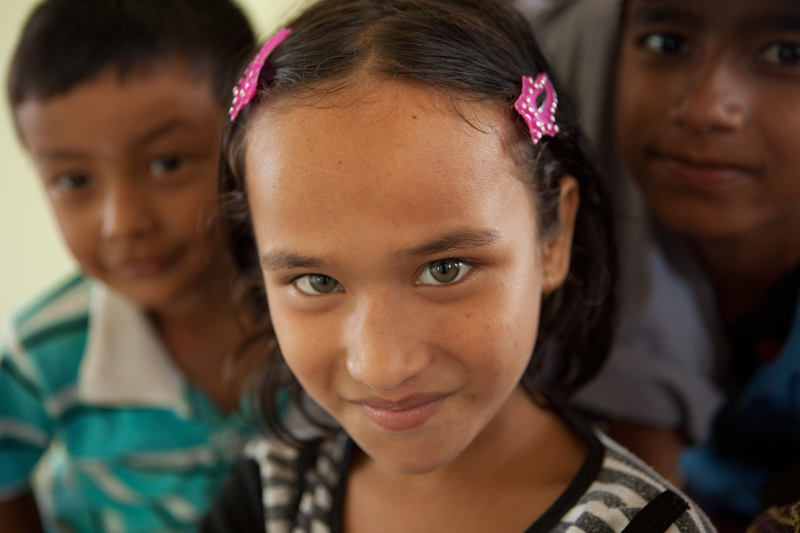
School girl in Surkhet, Nepal

that really resonate with me and stay with me for any length of time are not examples of shifting depth of field or low light marvel, but rather pieces that have touched me because of the story that they tell.

The story that we have to tell is also one facet of video making where we can stand out as being truly unique. Our stories are our songs where we reveal a part of ourselves. If our films are solely portfolios of technique and examples of what our tools can achieve, then we do not separate ourselves from our competition. We can all buy the same gear, gadgets and gizmos and with that run the risk of being button pushers.

I suggest that we all work backwards. That we define the message that we want to communicate and then choose the right tool that will appropriately fill that need. In order to do that, we need to step back and experience life itself. See what the world has to offer, discover our passions and have something worth talking about before we even begin to pick up a camera – whatever camera that may be.

Add to FacebookAdd to DiggAdd to Del.icio.usAdd to StumbleuponAdd to RedditAdd to BlinklistAdd to TwitterAdd to TechnoratiAdd to Yahoo BuzzAdd to Newsvine

Staying Connected

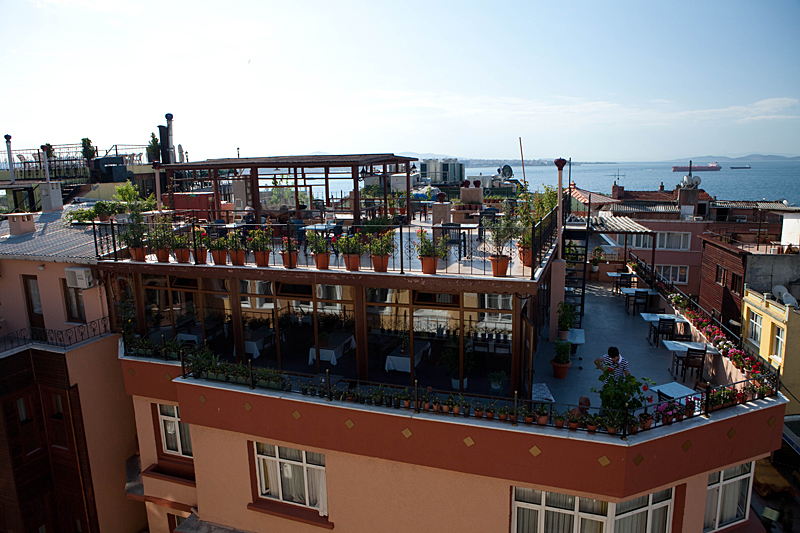
I’m sitting on the rooftop of my small hotel in Istanbul on a glorious morning.  In front of me is the Blue Mosque,

Blue Mosque

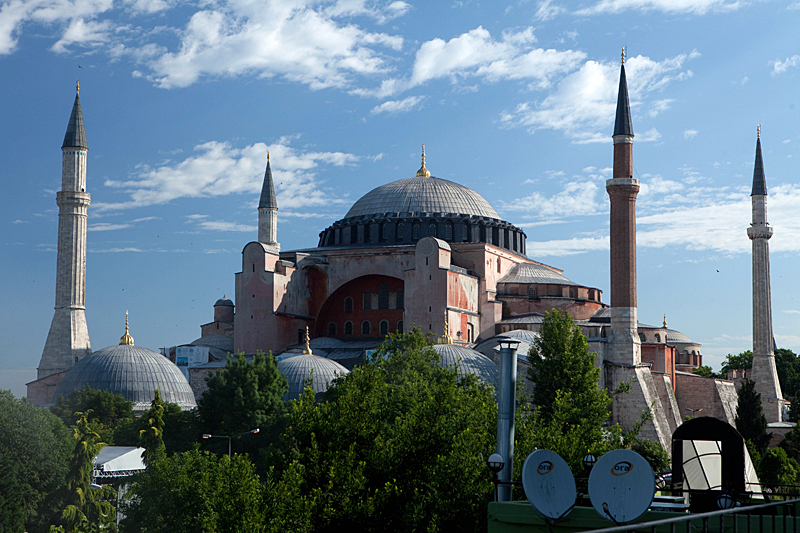
behind me Hagia Sophia

Hagia Sophia

and to the left the Bosphorus Strait.  I’m feeling blessed that I can experience these sights in my lifetime and even more fortunate that I can see them with my daughter Erin.

From the rooftop of our hotel.

We are about 1/3 through our journey of circling the globe creating a documentary on people who are making a positive change in the world  – Opening Our Eyes. Just like at home, I relish the quiet peace of the early mornings when I take time to reflect on what’s ahead in my day or write down the random thoughts that pulse through my mind.  The mornings are my time and even in the hustle and bustle of moving from one destination to the next, I try to take this time for myself.

As I look across other rooftop gardens and watch as people start their day, I’m thinking about my first travels and how so different it was back in the early 1970’s to stay in touch with people back home.  There was no Internet, nor cell phones and making a call required investing some time in a telephone exchange office until they placed your overseas call and directed you to a booth.  Because it was so costly, you crossed your fingers that someone would be home or that you wouldn’t get a busy signal – no answering machines back then.  And if you were so fortunate to connect , you made every word and minute count and talked rapidly.  Every once in awhile I would get a letter from home that was either sent to the local American Express office or to General Post.  It still amazes me that I got anything in the mail back then and somewhere in my boxes of memorabilia are those precious letters waiting to be discovered some rainy day.

Nowadays it seems that one is always connected.  Even when I’ve been in somewhat remote spots without Wifi or wired connection, my global phone has worked and I’ve gotten emails.  It’s great to be able to stay connected and with that comes a sense of security.  But it’s also easy to be too connected and miss some of the nuances of the culture you are in.  Like everything there is a fine balance.

Many people asked me how I was going to be able to keep in touch with clients when I was gone and wasn’t I worried that being away for a 3-month period would be detrimental to my business.  I’m very fortunate that I have a partner and husband Tom who is holding down the fort while I’m gone – paying the bills, servicing our clients, marketing and everything else that goes into keeping a business alive in a struggling economy.  I’m also taking full advantage of the time we live in and the ease of staying connected through emails and blogs.  Not only am I able to stay in touch with clients,  I am keeping them abreast of my project and building a larger audience and presence in the process.

It’s an amazing time we live in and having grown up when I did, I take none of this for granted.   I’m going to sign off for now and take myself offline to connect with the place I’m in – the people, the culture, the landmarks – the sights, the smells and the sounds.  Thanks for listening and more importantly for all your thoughts, comments, Facebook posts and emails and keeping me connected

Add to FacebookAdd to DiggAdd to Del.icio.usAdd to StumbleuponAdd to RedditAdd to BlinklistAdd to TwitterAdd to TechnoratiAdd to Yahoo BuzzAdd to Newsvine

Being Candid

I was going through some old personal photographs over the weekend. There were lots of pictures of people smiling for the camera but amongst the school portraits and posed group shots were a couple of candid snapshots that caught my eye.

Brian and Dad. Rochester, NY (early 1960's)

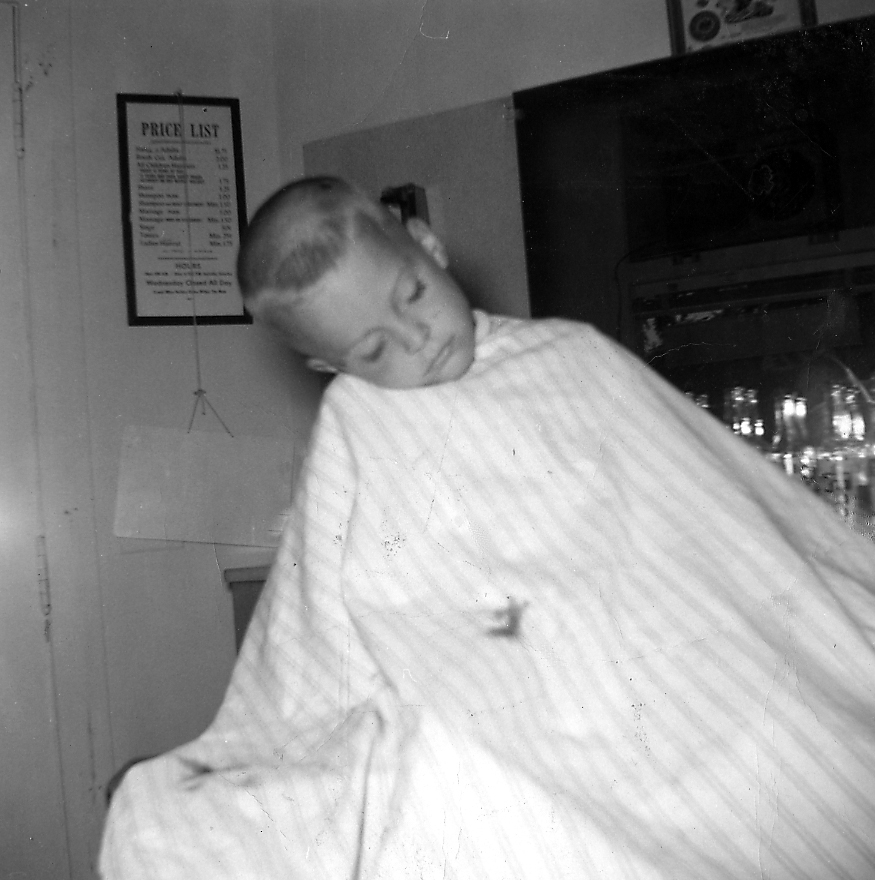
There was a photograph of my dad with my youngest brother – a candid moment, either right before or right after the “posed” moment that captured their spirits. There was a cockeyed shot of my other brother asleep in a barber chair.

Jay at the barber. Rochester, NY (early 1960's)

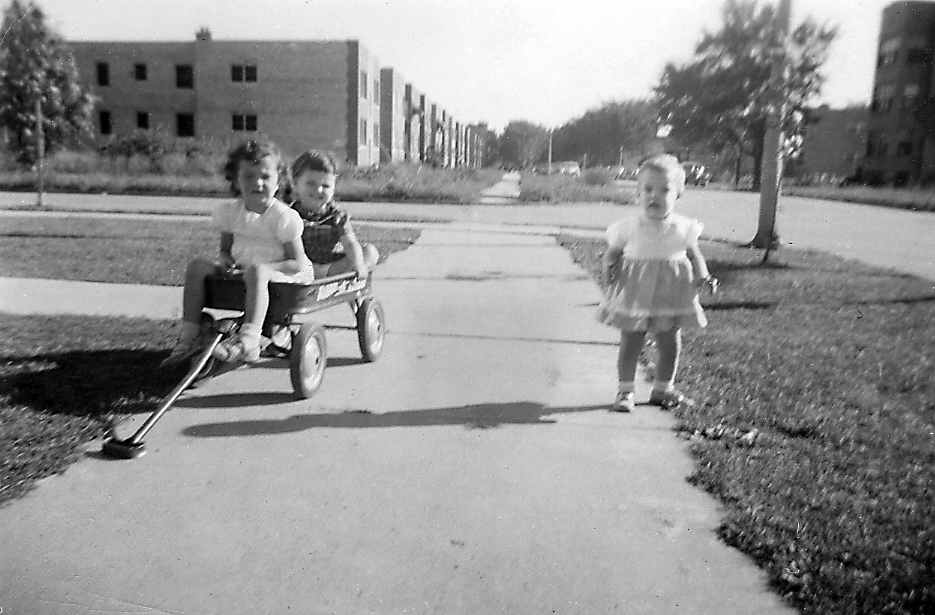
And then there was a shot of me with my sister and cousin that left you wondering. It was a picture of my sister and cousin, sitting in a wagon that had been abandoned on a sidewalk in a newly built “neighborhood”, taken in the early 1950’s. And there I was, younger and smaller than my sibling, but standing defiantly on my own, refusing to pull the wagon any further.

Janice and Jeanine in wagon. Me standing defiantly. Chicago, IL (early 1950's)

When I was growing up taking pictures wasn’t like it is these days in the digital era. The cameras then were totally manual and you were quite lucky if your pictures “came out”. You didn’t really know what your results would be until weeks, months or even years later, after you finished the roll of film that was in your camera and had dropped it off at the drug store to be sent off to Kodak to get developed. Depending on how frugal you had been with snapping pictures on that roll of film, looking through your prints after they came back from Kodak was sometimes like seeing the whole year in images with each holiday neatly documented. So with the odds against you for capturing good pictures, you tended to be very cautious and shoot only the sure-fire posed situations. Those shots were hard enough to get, let alone trying to get candid moments. One of my favorite songwriter/musicians, Jackson Browne writes about the candid moments caught in an image:

Looking through some photographs I found inside a drawer

I was taken by a photograph of you

There were one or two I know that you would have liked a little more

But they didn’t show your spirit quite as true

These days of course taking photos is almost seemless because of automatic features on digital cameras giving us instant gratification in seeing our results immediately. Everyone is taking pictures and in a much more spontaneous way – taking more chances because what’s the harm if something doesn’t come out right – you just erase it and try again. It’s quite interesting because we are all documenting our times and our culture for future generations to see beyond the smiling face.

I love to shoot the candid moments and I’ve spent a career documenting our times and our world through the lens of my camera. I’m an observer and a visual communicator but I’m also a historian, knowing that my images will be a legacy of my time in history. It’s a powerful thought to know that someday someone may look at a photograph that I shot and wonder. Or at least I hope my images will make one wonder, beyond the smile of the faces captured.

Add to FacebookAdd to DiggAdd to Del.icio.usAdd to StumbleuponAdd to RedditAdd to BlinklistAdd to TwitterAdd to TechnoratiAdd to Yahoo BuzzAdd to Newsvine