

In the blogging world of photography and motion, there is a lot written about gear and how to use it, but precious little written about “the business”. Chances are, if you are a photographer who has been in business for more than 10 years, then you know that technology has not only changed our tools, it has changed the way we do business.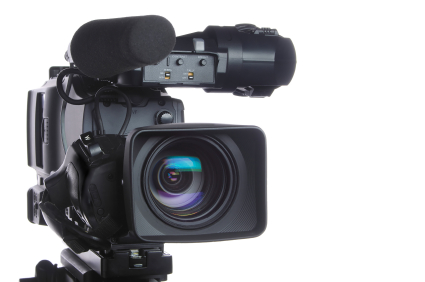
For starters, we are doing business in a global economy, and with that comes pluses and minuses. One big plus is that we are able to reach a much wider audience, than ever before. That is, if you have an understanding of how to do that and take advantage of the opportunities that are out there. The minus or downside is, if we don’t adapt our dated business models, in a business that has seen monumental changes, we will not be able to compete.
Commercial photographers are in the visual communications business. We create imagery that delivers a message or tells a story for a variety of “markets” including; advertising, corporate, architectural and editorial. Each market has a need for visual content and these days that encompasses both still photography and video. In the last couple of years, the lines dividing these two mediums have faded away, at least in terms of how content is consumed in our culture.
Here are a couple of tips to help photographers prosper in our “multi-media” world:
- Decide what your company will offer. Will you only provide still imagery? Or will you expand your business and offer both still photography and video? Are you quick to answer: “I don’t want anything to do with video”? The problem with that answer is that most of your clients will probably have a need for video. Are you going to send them away to your competition? Or will you keep your clients “in house” and take care of their video needs and hire or outsource your competition? That’s a different way of thinking and has the potential to broaden your revenue stream.
- Decide what role you will play if your company does offer video? Will you be the director and work with a camera operator? Or will you assume the role of a DP (Director of Photography) and direct as well as operate the camera?
- What will you outsource and what will you keep in house? Maybe you want to expand your business by offering both still photography and motion, but you’d prefer to just shoot the still photography and outsource the video. In that case, you could assume the role of producer and oversee or outsource the video production.
- Reassess your insurance. Video productions have a lot more variables. They also usually have larger crews. More than likely, you will need to upgrade your current insurance policy to accommodate and cover that.
- Change your paperwork. Make sure that you go through your talent and property releases and modify the language for multi-media. Change any boilerplate contract language to include video (motion).
- Licensing. Regardless, if you decide not to expand into video production, you will have to contend with the fact that your still images won’t always be used in a stand-alone fashion. Many still images will be commissioned and/or licensed as part of multi-media projects and that has a dramatic effect on licensing. And if you do decide to expand into video production, in your role as a producer, you will be licensing other people’s work.
- Understand new business models. Let’s face it, things have changed in the business of photography. Photography has become ubiquitous and the competition is fierce. You are not only competing with professional photographers – you’re competing with semi-pros, amateurs AND video production companies. One thing is certain, it’s never been more important to have an understanding of multiple mediums and to be unique and stand out amongst the noise. There are no templates you should follow. You have to be authentic and true to yourself.
Check out more tips and information in my ePub, The Craft and Commerce of Video and Motion.


 Journeys of a Hybrid