

If my sole goal in writing my blog were to attract as many hits as I could, I’d focus my concentration on using all the “right” SEO keywords throughout the context of my writings. I don’t want to write like that though, with my thoughts focused on using certain key words, in order to get the 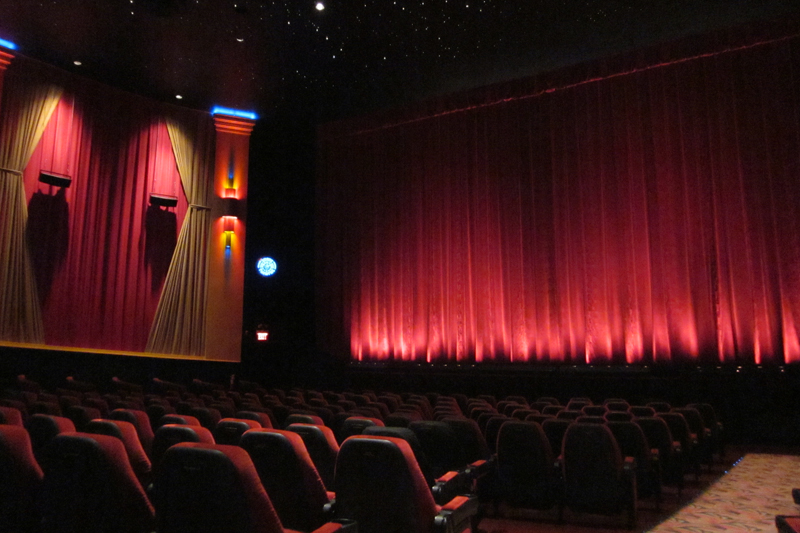 most eyeballs. I would rather write with my focus on what I have to share with my audience and what they want and value from me. That may yield a smaller audience, but it will be the right audience.
It’s nice when something I write goes viral, but I’m more interested in building an audience that is also a community of people who are interested in what I have to say, share or sell. I’m also interested in building a community who understand that by interacting with one another, they make each other stronger. Ultimately, by finding that niche of people who are interested in, and value what I and other members of this “community” have to offer, I am building a sustainable audience. It takes a lot longer to build this type of audience, but in the long run, the returns are longer lasting.
Chris Guillebeau, is a guy who understands how to build an audience. He writes a blog called The Art of Non-Conformity,
Yesterday he wrote:
“I used to run several little businesses that produced a good income, but they were completely dependent on external factors such as Google rankings or the lack of competition in my space. It was fun while it lasted, but when efficiency entered the marketplace, I had to move on. Looking back, I can now see that I didn’t really have a business; I was merely taking advantage of an opportunity. And most critically of all, I didn’t have an audience. “
He goes on to say:
“When you devote your attention to cultivating and enriching an audience over time, you have much more security. You aren’t dependent on the whims of Apple, the fluctuations of Google rankings, or whether a publisher will return your calls. Listen closely and the audience will tell you what they want. Even if you don’t always get it right, well, keep caring and you’ll get another chance. “
I’m a big fan of Guillebeau because he does listen to his audience. I know that I will always get something of value from his writings. He gives me a reason to come back, whether it is to read his blog or buy another book or attend one of his World Domination Summits.
I try to apply this type of thinking in how I promote my photography and video business as well in promoting my film. With my film, I have been able to get a very clear sense of who my audience is, through my FB fan page interactions, the film’s blog and recently by physically meeting people at various film festivals over the last couple of months. I was able to interact with my audiences and to find out, what they liked about the film through their comments and questions. I could see how I made them feel through the film how that prompted them to action. Sometimes the action was to buy a DVD or ten DVD’s for friends and family. And sometimes, I find out later that I had motivated somebody who had watched the film to take some positive action.
I know that if I want to build a sustainable audience I need to do more than to just someone into a theater or to buy a DVD, I need to continue to create and share what I do best, and I will be giving the audience what they want at the same time.
It really all comes down to knowing what your audience wants or needs and being the one who has the desire and the skills to fulfill that need. To really build an audience you need to identify two things that will work together in making that happen:
What you are good at?
And
What your audience (client) is looking for?
When those two things are in sync with one another, you’ll be building the right audience, which is far better than attracting lots of eyeballs but not giving them what they’re looking for.
 and the still photos that may never be seen.
 Journeys of a Hybrid