
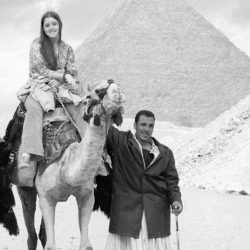
So, many people identify me with video, they tend to forget, that I still create still photos and have had a l-o-n-g career in making them. I’ve been shooting still images for over 30 years for magazines, corporate clients and advertising, as well as just shooting for the pure joy of doing it – without the need for an assignment or validation from anyone else.
Because so many people seem to assume that I abandoned my still photography when I started to shoot motion, I was surprised and delighted to get a note from a colleague when they spotted a still photograph that I had  recently shot in New Zealand.
“Gail, I often hear your voice when I see your still images. I can’t quite articulate what I mean by that, other than to say that when I look at many of your images, I hear your laugh and feel your smile and warmth come through”.
He then wrote: “You photo reminded me of the following quote”:
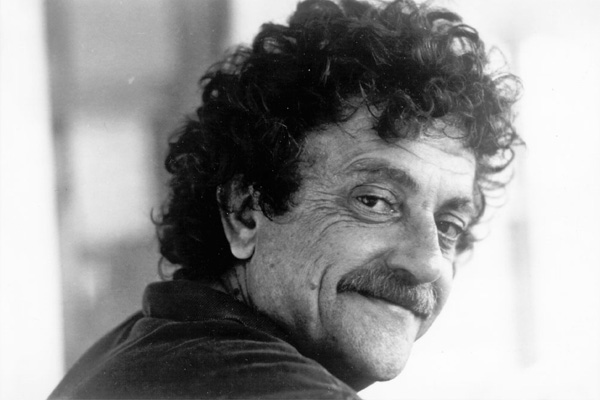
“This is a hard world to be ludicrous in, with so many human beings so reluctant to laugh, so incapable of thought, so eager to believe and snarl and hate.
Kurt Vonnegut
“Thank you Gail for giving us a glimpse of joy and laughter”
I was quite touched by his note and it got me thinking about how my exploration into shooting motion may have played a big part in how I now approach shooting my still images.
Here are a couple of things that I’ve identified:
- Video has made me a better visual storyteller – That’s because the medium of video is all about storytelling and no other medium does it so well. It’s made me think about how I will “tell the story” in one still image that is captured as a moment in time. A good still image should not have to rely on a caption – to tell the story.
- Video has made me think in sequences, with a beginning, middle and end –, This has been a huge boost when I’m creating a pagination of stills. I think beyond the one image, and what will come before as well as after it, on the printed page. I plan and shoot images with that in mind, thinking not just about the parts of the story, but the whole as well.
- My still images now have a voice – For me one of the most frustrating, yet fulfilling dimensions of video is sound. Still images on their own, obviously don’t have audio, but they can have a voice. When I’m shooting stills, I want the viewer to “hear” them as well as to “see” them.
- When I’m shooting video I’m using all manual settings – I’m not on auto-pilot. This makes me think more about the desired look I want to achieve in the final image.
- My still images have become more personal – more authentic. – Now, maybe video didn’t play a direct role in this, but it has pushed me into new territory. When that happens, habits get broken and make way for new possibilities. In a way, it’s like a new start – a new beginning and that is always an exciting place to be, creatively. It has opened up my eyes to see things differently.
Perhaps most importantly, shooting video has reinforced the notion that my creativity, whether it be motion or stills, has nothing to do with the particular camera that’s in my hands. The camera is just the facilitator for the stories and images that play out in my head.
At the end of the day – I am a photographer.


 Journeys of a Hybrid