

After a slow spell, which I can’t say I ever get used to after 30 plus years of freelancing, the phone started ringing. The calls were all in regards to still photography assignments. Having been a still photographer for most of my life, that wasn’t unusual, but what was interesting was that I beat out my competition – other still photographers – because I knew video.
Times have sure changed. When I started exploring the medium of video, over 15 years ago, I didn’t abandon my still photography – 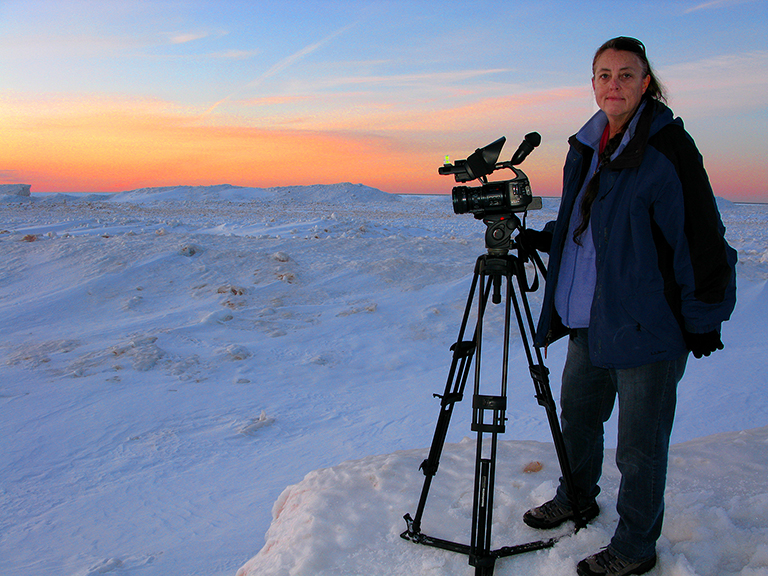 I simply added another skill set. Most of my clients over the years have hired me to shoot one or the other, and sometimes both. But what I see happening now is that as print moves to electronic delivery, my still photographic clients are also looking for a “photographer” that can shoot video components on a still photography assignment. They need multimedia content for mobile devices and online platforms that cry out for movement and sound.
I don’t think of myself as a “still photographer” or a “videographer”. First of all, I absolutely hate the word videographer because it smacks of a dated notion of what video used to be. I think of myself as an “imaging professional” or sometimes a “new media producer” or sometimes just a “storyteller” because that’s what I do – I tell a client’s story, or deliver their message to their targeting audience. I don’t define myself by the tool I use.
With convergence happening not only in the cameras we shoot with but in the media we create, I will opt for the “tool” or camera(s) that enable me to tell the story I need to tell, in the best way possible. I’ve been thinking that way since I first forayed into video. It’s nice to know that now my clients are thinking that way too.
 in the process. We aren’t placing the value on what is unique in all of us – our vision. At the same time we’re placing too much value on the tool – in this case the camera. As technology accelerates the production of more sophisticated cameras that are cheaper and easier to use – and we’ve placed our value on being the technician – we’re in big trouble. Because ultimately anyone with a vision who has the “ability” to realize that vision, can put together a crew of technicians to facilitate their vision or idea – and do it cheaper these days because of technology. And there’s nothing wrong with that.
 Journeys of a Hybrid