Photographers/Filmmakers as Publishers/Producers

It’s been a busy year, trying to manage jobs and lots of road trips giving seminars for ASMP to photographers who may be contemplating video.  I’ve enjoyed meeting my peers and sharing information through my presentations as well as on my blog, but I need to take some time to get back in the field and capture my own “moments” and “motion”. I need to spend some time “doing” right now and ultimately that will make what I have to share that more valuable and meaningful. So I will be embarking in a couple of weeks on a “passion project” that will take me around the world for 99 days.

It’s an exciting time to be working on a personal project because of various distribution possibilities and portals that are in everybody’s hands.  Ten years ago when I got started in video, technology made it possible for me to create documentaries and films without the need of large crews and big budgets.  And now with the web, fast download speeds, video host sites, mobile devices and itunes – I can – we all can be publishers and producers and get our content out globally. The pipelines have been democratized and it’s a very empowering position.
I’ve spent a career on the road and on assignment for various publications and corporations.  I’ve been fortunate to have worked for magazines like National Geographic Traveler, Smithsonian and Travel & Leisure shooting stories on destinations and people all over the world. I suppose you could say that I lived the life I dreamed of. I was shooting these assignments at a time when magazines were giving me ample time in the field to come back with a story – back when travel magazines ran stories as opposed to survey pieces or celebrity profiles. More importantly, I maintained the copyright of my images and was free to market them as I wished after a standard embargo period was over – usually around 90 days.

These days many publishers issue “work for hire” contracts, so essentially photographers are giving up their copyright. Photographers have always been strong advocates for copyright and I include myself in that position.  But in our advocacy to keep strong copyright laws in place, we end up fighting for that right for large corporations and publishing empires who ultimately take away our copyright in lopsided contracts.  And for the most part these contracts are not negotiable.  You either agree and take the job or you don’t.

These days because of technology we can be our own publishers and deliver our stories and other content in a number of different ways.  Sure it means taking the risk up front but that in itself brings its own rewards. It’s very liberating to be shooting and answering only to myself – not second-guessing someone else.  I take more chances creatively because I’m not afraid to fail.  And every time I’ve ever done that, I’ve grown and the rewards have been many – both creatively and financially.

I don’t know exactly how and where my Opening Our Eyes project will be distributed when I complete my journey.  But these days – it could be a book, a multimedia exhibition, a feature film distributed through itunes or on a DVD through Amazon, various magazine articles or broadcast.  I could package the journey and the back-story and give talks to universities.  An endless sea of possibilities.  What an amazing time we live in where we can all make our dreams come true.

Add to FacebookAdd to DiggAdd to Del.icio.usAdd to StumbleuponAdd to RedditAdd to BlinklistAdd to TwitterAdd to TechnoratiAdd to Yahoo BuzzAdd to Newsvine

One Year and 130 Posts Later

A week or so ago, I overlooked a minor milestone. One year ago, I started Journeys of a Hybrid. I have written 131 one posts to date. That’s almost 3 a week. I told myself when I started this blog that I would embrace the idea of writing and sharing and would make it a regular habit.

Quite honestly it’s been very therapeutic for me – a way of organizing my thoughts if you will. While I’m also surprised as to which posts are widely received and which seem to barely get noticed, I’ve always written about what happens to be on my mind, rather than second guessing what I think people want to read.

I thought today – I would list my particular favorites:


Finding Your Passion

Breaking the Spirit

Convergence-Defining Yourself by Your Vision – Not Your Tool

You’re Only 25 and You’re Already Making Compromises

Standing on a 10 Foot Frozen Wave

Thanks to all of you who continue to read my random thoughts and collections of information.

Add to FacebookAdd to DiggAdd to Del.icio.usAdd to StumbleuponAdd to RedditAdd to BlinklistAdd to TwitterAdd to TechnoratiAdd to Yahoo BuzzAdd to Newsvine

How To Survive as a Photographer or Life in General

I’m headed into New York City today to speak to college students who are studying photography.  A friend of mine who is an educator and also a photographer himself asked me to talk to his students.  My first thought was to talk to them about video, because that is what I have been doing lately – speaking to groups of photographers about video.  But then I thought about it more and thought it would be unfair to show a power point presentation about another skill set.  More importantly, I thought it would be another talk about another tool.

So this morning I switched gears and I started writing down some thoughts that I feel have helped me survive the life that I have carved out as a visual communicator. I remind myself of these ideas whenever I have drifted from my life’s purpose and it gets me back on track.

  • Seek opportunities – or better yet take notice of them when they come along – they are everywhere if you open your mind to them. I have found that some of the jobs that I almost turned down because I thought that it wasn’t for me have been the most rewarding jobs I’ve ever worked on.  Here’s a blog that I wrote about one of these opportunities that I almost didn’t embrace. “Breaking the Spirit”
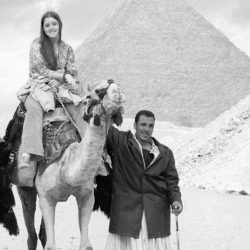
  • Find your passion – don’t define yourself by your tool – whether it’s a still camera or a video camera or something that hasn’t been invented yet.  Stay true to who you are and how you “see” the world.  I need to be reminded of that every once in a while. Recently, a friend of mine got me thinking about whom I am, and I realized that I’m really that same 19-year-old girl who took off around the world with an insatiable curiosity for people and cultures.  I became a photographer because I wanted to share this passion with others and I use my camera as a tool toward that end.
  • Don’t just “be” a photographer – By that I don’t mean that you should also shoot video – although it wouldn’t be a bad idea.  What I really mean is that in order to be a visual communicator, you need to have something to say.  When I attended Brooks Institute many, many years ago, the constant tech talk used to bore me to tears.  I had just come back from hitchhiking around the world and I knew there were more interesting topics to talk about than f/stops and shutter speeds. The funny thing is I don’t remember the technically perfect photos that were critiqued in class if they didn’t have something else going for them – something that evoked a feeling. It’s kind of like an actor who studies acting technique but doesn’t understand or portray the character they are playing.
  • Keep learning and growing – I’ve never stopped learning.  My college days and days at Brooks Institute are long over, but I’m constantly learning and trying new things.  I’m an explorer by heart and there will always be something out there to discover.
  • Take risks – The most important things that have ever happened to me have been also been the things that scared me the most. Nine out of ten times things didn’t work out as planned or what I had hoped for.  But it’s that one time when things did work out that brought great value and rewards to my life.  So when I try to talk myself out of doing something, based on my fears, I think about the times when the risk did pay off.  If I don’t take the chance – I know I won’t have a hope for anything happening at all.
  • Don’t listen to the naysayers – I try not to let others talk me out of my dreams.  I dodge the roadblocks that people try to put in my way.  Surround yourself with other dreamers – not the half empty crowd.
  • Be a publisher – Don’t wait for someone else to validate who you are by assigning you a job and handing you a lopsided contract that is not in your best interest.  Distribution is king in regards to content and it’s never been easier in these days of the internet and social media.

Lastly be true to yourself and love life – all facets of life, the bitter and the sweet.  We are all just tiny blips on the timeline of life – make the most out of it in your own way.

Add to FacebookAdd to DiggAdd to Del.icio.usAdd to StumbleuponAdd to RedditAdd to BlinklistAdd to TwitterAdd to TechnoratiAdd to Yahoo BuzzAdd to Newsvine

NAB – A Week of Gadgets, Geeks, and Great Inspiration

Today is the final day of NAB and as usual my head is exploding with ideas and information. But before everything totally leaves my head – I’ll share some cool things with everyone.

I come to NAB to learn, however this year I also needed to research and buy some things for my upcoming project Opening Our Eyes. In particular I was looking for a stabilization rig for my Canon 5D and 7D. My timing was perfect because at this year’s show just about every booth had gear for the DSLR cameras – the show was all about either the HDSLR or 3D. I settled on the Zacuto Striker because I wanted something lightweight and quick to put on a tripod. Zacuto had redesigned the plate making the weight distribution better and it felt just right for me. And that’s important – get the right rig for you – if at all possible visit a vendor where you can try these stabilization rigs out so that you buy the one that literally “fits” you and your needs.

One of the biggest buzz items was the HD Hero, a tiny wearable video camera for sports, made by GoPro and at the $200 show special – they sold out the first day. But check them out – even at the retail price of $300, they are amazing little cameras that can be used in all types of situations where you need something small.

RedRock Micro debuted their new HDSLR remote which uses sonar for auto follow focus. The booth was mobbed with attendees dying to get their hands on this accessory that is priced around $1000. Check out the review from the show floor at PhotoCineNews.

Canon unveiled their latest tapeless camera the XF305 that will give the Sony EX-3 a run for their money. Even as stunning as this camera is, Canon didn’t integrate that nice big chip/sensor that we see in their hybrid HDSLRs. But Panasonic did and they had their new prototype camera in a plexiglass box perched on a museum type pedestal. The Panasonic AG-AF100, is the first professional micro 4/3-inch video camcorder optimized for high-def recording. that did make use of that large sensor that everyone seems to be waiting for – stay tuned. Canon-are you watching and listening?

I’m maxed out right now with technology and information yet inspired and energized at the same time by the notion of possibilities. If you’re a still photographer singing the blues because of the lousy economy and the changing paradigm of print giving way to electronic delivery – I can only say one thing – convergence. Embrace that notion, get energized by the idea and open your mind to the possibilities and opportunities that are exploding in this new world of information technology.

Add to FacebookAdd to DiggAdd to Del.icio.usAdd to StumbleuponAdd to RedditAdd to BlinklistAdd to TwitterAdd to TechnoratiAdd to Yahoo BuzzAdd to Newsvine

Tools of Revolutionary Change Are In Everybody’s Hands

I heard Ray Kurzweil speak yesterday at the NAB conference. His keynote address was titled: Acceleration of Technology in the 21st Century and simply put, I was knocked out by his insights and clarity on our changing world. The Wall Street Journal describes Kurzweil as the “restless genius” and Ray has been included in PBS’ list of “16 revolutionaries who made America”, along with inventors of the past two centuries.

To hear people like Ray Kurzweil speak, is exactly why I attend the NAB conference every year. Sure, it’s fun(and overwhelming) to walk the show floor and see the latest and greatest tech tools and toys, but my focus is always on listening to and soaking up whatever bits of insights I can from visionaries like Kurzweil.

In speaking about information technology and its affect on us all, Ray stated “There’s no way to establish the same business model and social contract and protect intellectual property if the public doesn’t embrace and respect it”.  Just look at what happened in the early days of shifting from analog to digital, and how the recording industry reacted when it became easy to “share” music electronically. When they tried to hold onto their old business model and along with that bullied the “public” – it pretty much blew up in their face.

We all should have learned from that. But if you look back to when photography went from the analog to the digital world – many photographers made that same mistake with their clients. Ray goes on to say that “technology progresses in an exponential manner and if you measure the underlying trends in technology – it’s predictable”. “Our intuition is linear”. What that means is that this paradigm shift in information technology is only going to accelerate.

He went on to say that “once things become based on information technology, they progress exponentially”. This is happening right now in the world of healthcare and medicine. As it too becomes based more on information technology as far as research and development, it’s not hit and miss or trial and error anymore.

Information technology is democratizing our world. One could say that this is a prime reason for political systems like the old USSR to collapse. It’s hard to control a country’s people when they are open to information. ” The tools of revolutionary change are in everybody’s hands”. Kurzweil cites the example of the Chinese and Google. He says, “When you limit your own success like the Chinese with Google, ultimately you will strangle yourself”.

So what can photographers and other creative types get out of all this? We must recognize that if we base our business model on our gadgets and our tools – we will limit our own success or worse yet create our own demise because the tools of disruptive change are in everybody’s hands. But if we understand that and build a business model that is not based solely on technology but on our vision and it’s perceived as “fair” to our clients and the public – then we will thrive. We need to open our eyes and adjust as to how we distribute our intellectual content.

I’ll leave you with a simple analogy that Ray cites: In the early 1900’s if you saw yourself in the horse and buggy business, you should have been concerned. But if you saw yourself in the transportation business, then you saw opportunity as the automobile changed that paradigm. So, if you see yourself and define yourself by what camera you shoot with – you’re in big trouble as technology races forward. But if you see yourself as a visual communicator and embrace the opportunities made possible by technology – then you’ll survive and thrive.

Add to FacebookAdd to DiggAdd to Del.icio.usAdd to StumbleuponAdd to RedditAdd to BlinklistAdd to TwitterAdd to TechnoratiAdd to Yahoo BuzzAdd to Newsvine

Should I Be Thinking of Video – Or Not?

I give a seminar to still photographers for ASMP entitled “Should I Be Thinking of Video?” It’s a broad overview of the different facets of video production along with how I have positioned myself in this medium and where I think some of the opportunities are. I’m quick to point out what it’s not – it’s not going to tell you everything you need to know to make video part of your business and it’s not about how to use your DSLR. And if anyone promises that they can teach you that in two hours – they’re lying. But most importantly, I can’t possibly answer the question “should I be shooting video” for each individual in the room. And that’s because there is no ONE answer to that question – that’s up to the individuals to decide for themselves.

I think perhaps I should point out some reasons why one shouldn’t be thinking of video:

Fear – Because you are consumed with fear of your future. It’s understandable to be afraid when the world as you know it,  is changing. But if you are so focused on the thought that you have to do something because technology has changed your business to the extent that it just isn’t there anymore, instead of focusing on how you can use technology to grow your business – then you’ll paralyze your mind to new possibilities.
The Camera – If you are getting into video because your still camera is capable of shooting video and you’re not concentrating on thinking and seeing in motion, then you’ll end up with isolated video clips that have no relation to one another and you’ll have a rude awakening in the editing room when you realize you have no clue on how you’re going to put together a cohesive story.
Because everyone else is – With all this talk of video of late, everyone feels they need to jump on board. The truth is video may not be the answer for some photographers. And it may not be the best medium for the markets you work in.

You should be thinking of video if:
• You think that motion and sound is the best way to visually communicate your clients’ story or message.
• You recognize the power of collaboration in this medium
• You understand that there’s a learning curve and there’s no magic bullet.

I cannot tell you if video is the answer for you – that’s up to you to make that decision for yourself. I can only tell you what’s involved and guide you through the process.

When my daughter was growing up, I was always careful not to make all her decisions for her. It was a hard thing to do because many times she wanted me to and I wanted to but I didn’t. I knew if I made all her decisions for her that I wouldn’t be doing her any favors in the long run – because sooner or later she’d be out on her own without me there telling her what she should or shouldn’t do. I think it was one of the hardest things I had to do as a parent.

It’s been challenge this year scheduling time for my production business, along with traveling around giving these seminars. As much as I enjoy sharing information with others through these seminars, I know that I need to be doing what I love most and that is being a visual communicator. So, I’m taking to the road on May 25th – around the world actually, working on a personal project Opening Our Eyes. I need to get back to some real quality time of creating. And the best part – my daughter decided that she wants to join me and be part of this – and she made this decision all on her own.

Add to FacebookAdd to DiggAdd to Del.icio.usAdd to StumbleuponAdd to RedditAdd to BlinklistAdd to TwitterAdd to TechnoratiAdd to Yahoo BuzzAdd to Newsvine

The “Dancing Inca” and Video

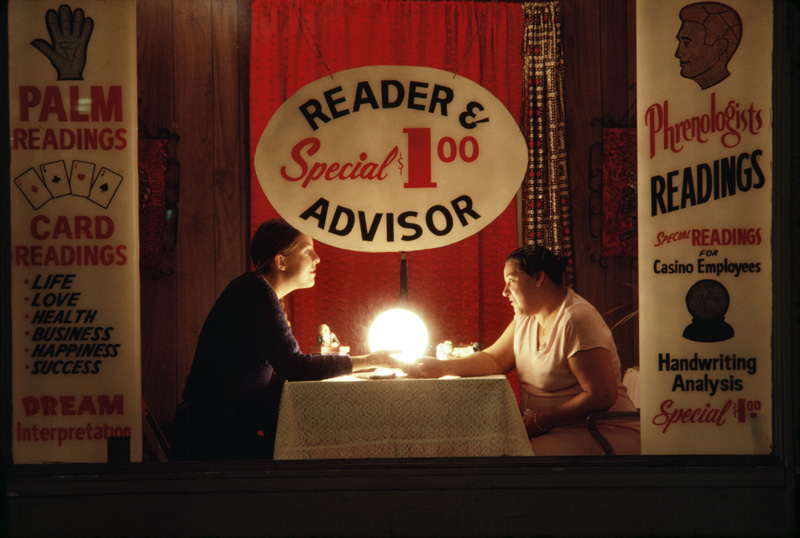
When I was a young woman, newly married, my mother decided to have a psychic come to her house one evening and hold individual sessions with all of her family members. My mother was searching for something at the time, which I didn’t know then but I do know now – but that’s a story for another time.

There were two things that I remember from that “psychic reading”. One was that he told me that in a past life I had been an Inca and that I had fallen off a cliff and had broken my hip. The second thing he told me was that I was going to be shooting video.

As for the Inca past life comment – I recently had to consult a chiropractor after a night of dancing at a fundraiser had left my right hip inflamed, sending shooting pains down my sciatic nerve. When the chiropractor asked me what I did to cause this, I told him about the dancing, but not the Inca part – that was probably best left unsaid.

As far as the video prediction, he had a crystal ball into my future, but at the time I thought – video? Are you kidding? I equated video with soap operas and really bad late night commercials. I was a young still photographer just getting a name in the magazine world and starting to make some money in the corporate sector. I couldn’t have been less interested in video at that time.

Fast forward to now. I’ve been shooting video with traditional video tools for over ten years. I give seminars to still photographers who may be thinking of getting into video and I have just made a big investment in both money and mental power and have embraced the HD DSLR tools for an upcoming project I am working on Opening Our Eyes.

I’m not the only still photographer thinking of video these days – it seems like everybody is. As print platforms give way to electronic ones like the iPad that debuted this past weekend, the way we communicate is rapidly changing and along with that there is a huge demand for video. On the April 12th cover of Time Magazine is a portrait of Steve Jobs and inside a review of the iPad entitled “Do We Need the iPad?” The writer Lev Grossman wraps up the article nicely:

“If I have a beef with the iPad, it’s that while it’s a lovely device for consuming content, it doesn’t do much to facilitate its creation. The computer is the greatest all-purpose creativity tool since the pen. It put a music studio, a movie studio, a darkroom and a publishing house on everybody’s desk. The iPad shifts the emphasis from creating content to merely absorbing and manipulating it. It mutes you, turns you back into a passive consumer of other people’s masterpieces. In that sense, it’s a step backward. Not much of a fairy-tale ending. Except for the people who are selling content. Read more: http://www.time.com/time/business/article/0,8599,1976932-2,00.html#ixzz0k3oIUDqY

In Time’s editor’s column “Ushering In a New Era”, Managing Editor Richard Stengel talks about making the magazine available on electronic devices like the iPad and Time will soon be delivering it’s entire contents to paying customers as a self contained application that can be downloaded to the iPad. Sports Illustrated is ready to go electronic as well.

If this doesn’t send a signal to still photographers the need to diversify and embrace video – what will?  With print moving to electronic delivery – the demand for video will increase. I sit on the National Board of ASMP and we recognize this changing paradigm. In fact that is exactly how I came to be involved with the Board of ASMP. I was asked to run for the Board because of my video experience. It’s been a year since I’ve been on the board and in that time I have set up a motion/video committee with the intention of gathering and sharing information about video production.  So far, through the efforts of the committee  an online resource for video was developed and has been uploaded to the ASMP website.

I continue to learn as technology drives us forward and I continue to network and collaborate with people. One person that I’ve learned a lot from is Richard Harrington of Rhed Pixel. Richard is one of those guys that never seem to sleep. He runs a successful business, teaches, writes and shares a lot of information on various forums like Creative Cow and on his own blog. I’ve also worked with Richard’s team of motion graphics animators on an industrial that I produced last year. I continue to learn from Richard who has just written a book called “From Still to Motion” that I can’t wait to get my hands on. It’s all about working with the hybrid DSLR cameras.

Looks like that psychic was right – at least about the video. Not sure about the past life Inca thing but it makes you wonder doesn’t it? Was it destiny? Or was it just that I was a restless soul at the time wanting to learn more about how I could tell a story and with what tools.  Not really sure – I’m just glad that I followed those instincts.

Add to FacebookAdd to DiggAdd to Del.icio.usAdd to StumbleuponAdd to RedditAdd to BlinklistAdd to TwitterAdd to TechnoratiAdd to Yahoo BuzzAdd to Newsvine

Tips for Getting Good Video Interviews

More and more still photographers are getting into video because of the appeal of the hybrid still cameras that also shoot video. Photographers love the visual coming out of these big chip cameras – what’s not to love? But they quickly find out that if they aren’t just going to be laying visuals down to a music track, they will need to start thinking about their audio – specifically a narrative track or one driven by sound bites from interviews. I work in the corporate sector, as well as create documentaries, so I do a lot of interviews. The interviews, along with a scripted voiceover comprise my audio track and drive the story.

I love doing interviews. That’s because I’ve always been a curious person and like to ask questions. I enjoy the “conversation”. I don’t want to become part of the video, even though I am usually the one asking the subject questions. My voice and my questions will not be heard in the final video, so I need to coach my subjects to paraphrase the question when they relay their answers. But before I get to the interview, I research my subject and come up with a good solid list of questions to ask in advance.

Here are some tips for getting good interviews:
1. Ask leading questions – not yes or no questions. Example: Instead of asking where do you work? Ask: Tell me about where you work.
2. Ask subject to paraphrase the question if you don’t want the interviewer to be part of the video.
3. Don’t step on your subject’s lines. Instruct your subject to pause before answering the question. In addition, make sure that you pause after your subject answers the question. Many times someone will add more insightful information to fill in that pause.
4. Ask the question more than once.
5. If your subject rambles – ask them to summarize their thoughts.
6. Use gestures to encourage and guide subjects – remember you don’t want to hear your comments.
7. Be a good listener – many times my best questions are follow up questions to something that the interviewee just said.
8. Pay attention to your subject’s answers because you’ll need to illustrate what the subject is talking about with B-roll.
9. Pick a suitable location for sound. Find a quiet environment and turn off all fans, motors, radios etc.
10. Record room tone – you’ll need it when you edit the sound bites

Add to FacebookAdd to DiggAdd to Del.icio.usAdd to StumbleuponAdd to RedditAdd to BlinklistAdd to TwitterAdd to TechnoratiAdd to Yahoo BuzzAdd to Newsvine

Video – Hot Medium for Higher Ed Marketing

Last night my daughter forwarded a link to a blog entry she wrote for Lipman Hearne, the marketing firm that she works for. Lipman Hearne specialises in PR and marketing for non profits and institutions – many of their clients are colleges and universities.

She wrote about a new trend, “LipDub” that is quickly being embraced by universities and becoming part of their marketing and communications strategies. “LipDub is part virtual campus tour and part music video that showcases a college’s campus and student life in a creative and entertaining way.”

This MTV type video trend apparently started in Europe when students decided to create a video to “show the world” that studying doesn’t have to be boring. The idea quickly caught on in Canada and the US and has moved beyond its grass-roots beginnings and is being adapted by marketers who find the approach uniquely appealing in this niche.

The videos that I have seen remind me a bit of the popular “Playing for Change” – Stand By Me video that went viral on YouTube last year. They are clever, well executed and very engaging. Check out what John Hopkins created. Definitely not your run of the mill amateur video but rather a very entertaining and professionally produced web video.

The big point here is that video is the medium of choice when targeting this demographic and quickly making those glossy brochures a thing of the past.

Add to FacebookAdd to DiggAdd to Del.icio.usAdd to StumbleuponAdd to RedditAdd to BlinklistAdd to TwitterAdd to TechnoratiAdd to Yahoo BuzzAdd to Newsvine

On the Road (Again)

I’ve been doing a lot of traveling these days, quick one or two-day stays in cities all around the US. But that’s not the kind of traveling I do when I’m on a destination shoot where get totally absorbed in a city because I’m there to tell that city’s story through my images.

These days a lot of my travels are quick trips in and out of cities all around the country, giving seminars for AMSP to still photographers who are thinking about getting into video. So I rarely have time to see the “sights” of the cities and really get my bearings on where I am.

One thing I do try to do while I’m on the road is walk because that is what I do when I’m home and it helps me get clarity on the day. This morning I went out for a walk in the area just outside my hotel. As I walked by various chain restaurants and stores, I almost forgot where I was, because it could have been just about anywhere in America. And that kind of made me sad – that in the US, our towns and cities have lost their unique attributes.

When I got back to my hotel, I saw a posting from a friend on Facebook on how photography introduces you to people whose lives and stories humble you. His words really hit home because I became a photographer for this very reason – to allow me the privilege of meeting people and hearing their stories. For me, photography and my camera have always been a “means to an end”.

Then I realized, that a place isn’t really defined or not defined by its stores and restaurants but by its people. And that even though I may only be in a place for a quick overnight – I always try to connect with the people. Whether that may be a chat with a taxi driver or a waitress or with some of the wonderful people I meet when I do a seminar.

Such is my life, enjoying and being humbled by all the people and their stories as I continue my travels. How lucky I am – to be able to combine my career in photography with my passions.

Add to FacebookAdd to DiggAdd to Del.icio.usAdd to StumbleuponAdd to RedditAdd to BlinklistAdd to TwitterAdd to TechnoratiAdd to Yahoo BuzzAdd to Newsvine