
1. It will take twice as long as you think. This is especially true if you have a limited budget. With a limited budget comes a smaller crew and therefore you need to do a lot more of the work yourself – if you can.
2. It will take more money than you think. Everything adds up. There are a lot of costs in post-production – licensing music is a big one and a feature film needs lots of music – and having the sound professionally mixed, makes all the difference and is well worth the money – so anticipate that cost.
3. If you need to transcode files for your editing application – then make that the first thing you do. In fact, I used the Log and Transfer plug-in on Final Cut Pro to do a pre-edit on all my clips as well as add metadata to the files.
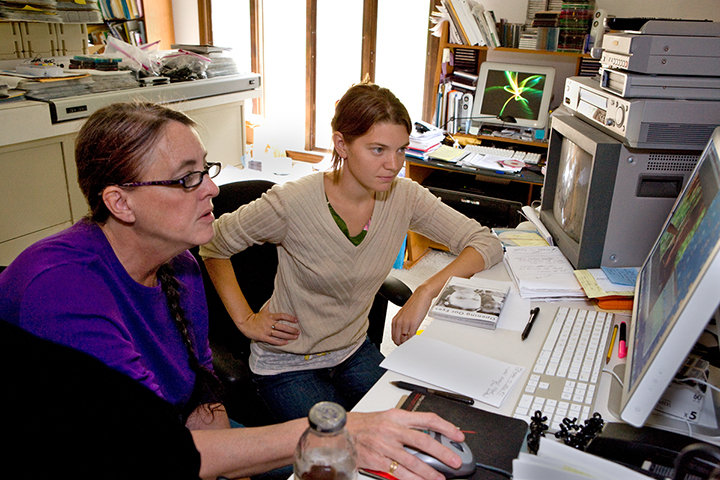
4. Hire a professional editor. Smartest thing I did. I raised funds on Kickstarter so that I could hire a pro. I know how to edit – or at least I thought I did – till I worked with a professional editor. My editor crafted the story and cut it like a musical composition with beautiful timing and rhythm.
5. You will need twice the memory or drives than you thought you would. Even, when working with a professional editor – in fact because I was collaborating with an editor, we had duplicate projects and media on 3 – 2 terabyte drives each!
6. Stay focused on the story. Don’t even go into the editing room without a clear idea of what story you want to tell.
7. Define your target audience. Iit’s important, especially in terms of how you want to craft the story and the rhythm of the piece.
8. Plan ahead as far as screenings or putting content online. Many film festivals have strict guidelines about previous screenings, premiers etc. I wanted to show my film on a big screen, but I couldn’t have it open to the public or charge money, so I opted to have an “invitation only” event and called it a “sneak preview”. Test screenings are done all the time with studios. It gives you a chance to get feedback.
9. Utilize social media. Have a website for the film and a fan page on Facebook.
10. Don’t try to be what you’re not. And don’t try to be all things to all people in your film. Stay true to your vision. Push yourself to try new things. Go with your gut.


s












 <!–
<!–


 Journeys of a Hybrid